How Regular Air Conditioning Maintenance Saves Money Over Time
Air conditioning has a talent for making itself invisible when it works. It hums in the background, pulls humidity out of the air, keeps the dog from melting into the floorboards, and asks for very little applause. Then one July afternoon, usually when guests are coming over or the upstairs bedroom feels like a baked potato, it stops being invisible and becomes the main character.
That is when many homeowners first think about their air conditioner.
Unfortunately, air conditioners prefer not to be remembered only during emergencies. They are mechanical systems, not houseplants. They move air, compress refrigerant, drain condensation, run motors, manage electrical loads, and do all of it for hours at a time during the hottest part of the year. Regular air conditioning maintenance is the difference between a system that ages with dignity and one that makes expensive noises before quitting dramatically.
The money savings are real, but they do not always arrive as one giant check with “responsible homeowner bonus” written on it. They show up as lower utility bills, fewer repairs, longer equipment life, better comfort, fewer emergency calls, and fewer moments where you stand in front of the thermostat pressing buttons like you are trying to crack a safe.
The small neglect that turns into a large invoice
Most air conditioning repair does not begin with a spectacular failure. It begins with a dirty filter, a neglected coil, a slow condensate drain, a weakening capacitor, or a blower wheel coated in enough dust to qualify as insulation. These issues start quietly. The system still cools, so nobody panics. But while the house feels mostly fine, the equipment is working harder than it should.
Air conditioners are designed around airflow and heat transfer. If either one suffers, efficiency drops. A dirty evaporator coil makes it harder for the refrigerant to absorb heat from the indoor air. A dirty condenser coil outside makes it harder to reject that heat outdoors. A clogged filter restricts airflow. A weak blower motor may still spin, but not well enough. The system compensates by running longer, drawing more electricity, and putting extra stress on parts that were already not invited to a spa weekend.
I have seen systems limp along for years in this condition. The homeowner says, “It still cools, it just runs all the time.” That sentence should make your wallet sit up straight. An air conditioner that runs all the time may be cooling, but it is doing so like a person jogging in winter boots. Technically possible, financially foolish.
A simple air conditioning tune-up can catch these problems early. The cost of maintenance varies by market, system type, and whether repairs are needed, but it is almost always smaller than the cost of replacing a motor, compressor, control board, or entire system. Preventive care is not glamorous. Neither is flossing. Both save you from unpleasant appointments.
Energy bills: where the slow leak hides
People often think of air conditioning maintenance as a repair-prevention tool. That is true, but the quieter savings often come from energy efficiency. Cooling can account for a significant chunk of a home’s summer electricity use, especially in warm climates, older homes, or houses with poor insulation and leaky ductwork. When the AC loses efficiency, the utility bill becomes the first witness.
A well-maintained air conditioner does not need to fight itself. Clean coils transfer heat more effectively. Proper refrigerant charge helps the system operate within its intended pressure and temperature range. Tight electrical connections reduce resistance and overheating. Correct airflow improves comfort and reduces run time. None of these sound thrilling at dinner parties, but they matter.
Even a modest efficiency loss can add up. If a neglected system uses 10% to 20% more electricity during cooling season, that may mean tens or hundreds of dollars per year depending on your rates, climate, system size, and usage habits. The exact number changes from one home to another, but the principle holds steady: when your AC struggles, your meter spins faster.
There is also a common trap with thermostats. A homeowner notices the house is not as comfortable and lowers the thermostat from 74 to 70. The system runs longer, costs more, and still may not remove humidity properly if airflow or refrigerant issues exist. The thermostat gets blamed. The thermostat files a complaint with management. The real culprit may be maintenance.
What a proper AC maintenance visit actually covers
A good maintenance visit is not a technician glancing at the outdoor unit, nodding respectfully, and leaving a sticker. It should involve inspection, cleaning, testing, and practical judgment. The goal is not to sell you a new system every time someone opens a panel. The goal is to understand how the system is operating and whether anything is drifting out of range.
A thorough air conditioning contractor will usually check the indoor and outdoor components, measure temperature changes, inspect electrical parts, clean accessible coils as appropriate, confirm condensate drainage, examine the filter, and look for signs of wear or improper operation. If a system has been neglected for years, the first visit may uncover more issues than expected. That does not mean maintenance caused the problems. It means the problems finally got caught before they had a chance to wear a disguise and rob you.
Here is the short version of what matters most during routine service:
- Airflow through the filter, blower, evaporator coil, registers, and return ducts
- Clean heat transfer surfaces, especially indoor and outdoor coils
- Electrical components, including capacitors, contactors, wiring, and safety controls
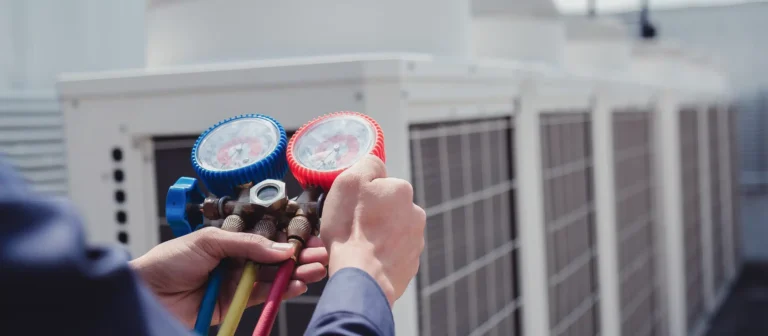
- Refrigerant performance, based on proper diagnostic measurements rather than guesswork
- Condensate drainage, because water belongs in a drain line, not in your ceiling
That is one of the reasons choosing the right air conditioning repair service matters. Maintenance is not just a checklist. It is interpretation. A technician should know the difference between a harmless quirk, an emerging failure, and a system that is one heat wave away from an expensive little opera.
The repair you avoid is usually the best bargain
Emergency air conditioning repair tends to cost more than planned service. That is not a conspiracy. It is logistics. Emergency calls happen during peak demand, after hours, on weekends, or when every technician in town is already sprinting between houses like a contestant on a home-comfort game show.
Preventive maintenance catches many failures before they become emergencies. Capacitors, for example, often weaken before they fail completely. A failing capacitor can prevent a compressor or fan motor from starting, and if it stays in that condition too long, it can damage other components. Replacing a weak capacitor during a tune-up is far cheaper than dealing with a no-cool call, potential motor damage, and a hot house full of cranky humans.
Condensate drains are another sneaky offender. Your AC removes moisture from the air, and that water has to go somewhere. If the drain line clogs, water can back up into the system, overflow into pans, trip float switches, or damage ceilings and walls. A clogged drain line may not sound as serious as a dead compressor, but ask anyone who has had stained drywall in the hallway. Water is patient, and it has terrible manners.
Then there is the outdoor unit. Leaves, grass clippings, cottonwood fluff, dirt, and debris can choke the condenser coil. I have seen outdoor units boxed in by shrubs so tightly they looked like they were being held hostage by landscaping. The unit needs space to breathe. If it cannot release heat efficiently, pressures climb, efficiency drops, and compressor stress increases.
Maintenance does not make equipment immortal. Nothing does, except maybe whatever is living behind the garage refrigerator. But maintenance lowers the odds of preventable breakdowns and helps repairs happen on your schedule, not during the hottest week of the year.
Longer system life: the boring miracle
Replacing an air conditioning system is one of those purchases nobody brags about at brunch. People show off new countertops. They do not usually say, “Come admire my correctly sized condenser.” Yet HVAC replacement is a major investment, and every extra year of reliable service matters.
A central air conditioner might last around 12 to 20 years depending on climate, usage, installation quality, maintenance, and equipment type. Some fail earlier. Some soldier on longer, occasionally with the stubborn energy of a farm truck. Regular air conditioning maintenance helps push the odds in your favor.
The reason is simple: stress compounds. A dirty coil raises operating pressures. Poor airflow can cause coil freezing or compressor strain. Loose electrical connections generate heat. Weak components force stronger components to compensate. Over time, these small stresses shorten equipment life.
Think of it like tires on a car. You can drive with low tire pressure for a while. The car moves. You reach the store. Nothing explodes. But fuel economy drops, handling suffers, and the tires wear unevenly. AC neglect works the same way. The damage is not always immediate, but it is always keeping notes.
Regular tune-ups also help you plan. If a technician tells you the compressor is drawing high amperage, the coil is badly corroded, or the system uses older refrigerant and has a significant leak, you can start thinking about replacement before the equipment fails. Planning gives you time to compare options, budget properly, and consider upgrades like heat pump installation if it makes sense for your home. Panic buying an HVAC system in August is rarely the path to calm decision-making.
Comfort has a financial side
Comfort may not look like a line item, but it affects spending. When an air conditioner is not maintained, homeowners often compensate in costly ways. They lower the thermostat. They run portable fans all day. They buy window units for problem rooms. They call for repeated repairs without addressing root causes. They avoid using parts of the house, which is Service Lion Plumbing Heating Air Electric Service Lion Plumbing Heating Air Electric a grim little betrayal when you are paying for the whole thing.
Good maintenance improves comfort by restoring airflow, cooling performance, and humidity control. Humidity is the sneaky one. A house can be at 73 degrees and still feel clammy if the system is not dehumidifying properly. Sometimes the issue is oversized equipment, poor duct design, or short cycling. Sometimes it is dirty components or low airflow. Maintenance helps identify what is fixable and what is a design issue.
A system that runs properly can often keep the home comfortable at a slightly higher thermostat setting. If you can raise the thermostat even one or two degrees without sacrificing comfort, you may reduce energy use. The savings vary, but the practical result is easy to feel: the house stops swinging between meat locker and swamp.
Comfort also protects other parts of the home. Excess humidity can affect wood floors, furniture, paint, and indoor air quality. It can encourage musty odors and make dust stick to surfaces with suspicious enthusiasm. AC maintenance is not a full indoor air quality plan, but it is part of the foundation.

The filter: cheap, humble, and weirdly powerful
If air conditioning systems had a gossip column, filters would appear every week. Dirty filters cause a ridiculous number of problems. They restrict airflow, increase static pressure, reduce efficiency, and can contribute to frozen coils. They also make the blower work harder, which is rude to a motor that was already doing its best.
The confusing part is that filter replacement is simple, but choosing the right filter is not always obvious. A very restrictive high-MERV filter can be great in the right system, but troublesome in a system not designed for it. Some homeowners install the thickest, most aggressive filter they can find, assuming more filtration is always better. Then airflow suffers and the AC complains in the only language it knows: poor performance and higher bills.
Most homes need a filter change every one to three months, but that range shifts with pets, dust, renovation work, allergies, and fan usage. If you have two shedding dogs and a teenager who treats exterior doors as philosophical suggestions, monthly checks are wise. If the filter looks loaded, change it. Do not wait for it to become a felt blanket.
During maintenance, a technician can check whether the filter type suits the system. This is where experience matters. A good heating contractor or air conditioning contractor knows that the right answer is not always the fanciest product. Sometimes the best filter is the one that balances filtration and airflow without bullying the blower.
Maintenance exposes installation problems
Not every AC problem comes from age or neglect. Some systems struggle because they were never installed correctly. Poor duct design, incorrect refrigerant charge, bad airflow setup, improper equipment sizing, and sloppy electrical work can all create long-term costs.
A maintenance visit can reveal these issues. Maybe the temperature split is odd. Maybe static pressure is too high. Maybe one side of the house gets great airflow while the other side gets a polite breeze. Maybe the outdoor unit is too close to a wall, dryer vent, or fence. Maybe the condensate line lacks proper slope. These are not always dramatic enough to cause immediate failure, but they nibble at efficiency and comfort year after year.
This is also where HVAC, plumbing, and electrical knowledge overlap more than homeowners expect. An air conditioner needs proper electrical supply and safe connections. It produces condensate that must drain correctly. It may share space with a furnace, water heater, gas line, or other mechanical equipment. A company with broader trade experience, such as Service Lion Plumbing Heating Air Electric, can be useful when a comfort issue crosses boundaries between airflow, wiring, drainage, and equipment performance.
That does not mean every AC tune-up needs a Plumber and an Electrician standing in the hallway like a tiny trade convention. It means homes are systems. A clogged condensate drain, an overloaded circuit, a failing furnace blower, or poor venting around gas appliances can all affect comfort, safety, and cost.
When maintenance is not enough
Honesty matters here. Maintenance saves money over time, but it is not magic. If a system is badly rusted, leaking refrigerant from a corroded coil, severely undersized, drastically oversized, or near the end of its service life, a tune-up may improve performance without making replacement avoidable.
There is a point where repeated repairs become a bad bargain. If you are spending hundreds of dollars every season to keep an aging system alive, it may be time to compare repair costs against replacement. A common sense approach is to consider the system’s age, repair cost, energy use, comfort performance, and refrigerant type. If a major repair costs a large fraction of replacement and the unit is already old enough to vote, replacement deserves a serious look.
Heat pump installation may be worth considering in some homes, especially where heating and cooling efficiency both matter. Modern heat pumps can provide efficient cooling and heating, although climate, insulation, ductwork, electrical capacity, and utility rates all affect the decision. In colder areas, a heat pump may pair with a furnace or another backup heat source. A furnace repair service or heating contractor can help evaluate the full system, not just the outdoor box with the fan.
The financially smart move is not always “repair” or always “replace.” It is the option that gives the best long-term value for that specific home. Maintenance gives you the information to make that call before desperation starts shopping with your credit card.
The plumbing and electrical side of AC savings
Air conditioning does not live alone. It shares the mechanical ecosystem with plumbing, heating, electrical, and sometimes gas systems. That matters because problems in nearby systems can create costs that look unrelated at first.
For example, condensate drains sometimes tie into plumbing drain systems or terminate outside where algae and debris can cause blockages. If drains back up repeatedly, a drain cleaning or rooter service may be needed, depending on the configuration and cause. In stubborn cases, hydrojetting belongs in the plumbing conversation, not the AC tune-up itself. The point is that moisture management matters. Water has no respect for trade categories.
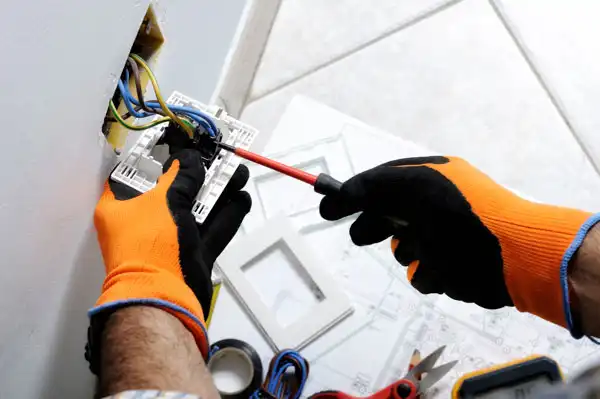
Electrical issues also affect AC performance and safety. Loose connections, failing breakers, undersized wiring, worn contactors, and voltage problems can shorten equipment life or create hazards. A qualified Electrician or HVAC technician should address electrical defects, depending on the issue and local code requirements. If lights flicker heavily when the AC starts, or breakers trip repeatedly, do not treat that as your home being “quirky.” Quirky belongs to wallpaper choices, not electrical panels.
Heating equipment matters too. In many central systems, the AC uses the furnace blower to move air. If the blower assembly is dirty, failing, or incorrectly set, cooling suffers. A furnace repair service may be relevant even in summer if the air handler is part of the furnace. Homes with gas appliances may also need safe venting, combustion air, and gas installation service performed properly. Again, the AC may be the symptom, not the whole story.
A realistic maintenance rhythm
Most central air conditioning systems should be serviced once a year, ideally before cooling season. In hot climates where the system runs heavily, or in homes with pets, dust, trees, or high usage, additional attention may be worthwhile. Heat pumps often benefit from twice-yearly maintenance because they work during both heating and cooling seasons.
The best time to schedule service is before everyone else remembers they own an AC. Spring appointments tend to be easier to book than midsummer emergencies. Waiting until the first brutal heat wave is like waiting until Thanksgiving morning to buy a turkey. Possible? Sometimes. Pleasant? Rarely.
A homeowner can handle a few basic tasks between professional visits:
- Check the air filter monthly during heavy-use seasons and replace it when dirty
- Keep at least a couple feet of clearance around the outdoor unit when possible
- Rinse visible debris from the outdoor coil gently, if safe and recommended for your unit
- Make sure supply and return vents are open and not blocked by furniture
- Call for service when performance changes, rather than waiting for complete failure
That last point deserves a small trumpet fanfare. Changes matter. If the system suddenly runs longer, cools unevenly, makes new noises, smells odd, freezes up, leaks water, or causes the breaker to trip, do not wait for it to “work itself out.” Mechanical problems are not toddlers. They rarely outgrow phases.
The hidden cost of skipping tune-ups in rental and commercial spaces
Homeowners are not the only ones who save money through maintenance. Landlords, property managers, and small business owners often underestimate how expensive neglected cooling can become. A rental unit with a poorly maintained AC leads to tenant complaints, after-hours calls, temporary cooling costs, and rushed repair decisions. A small business with a failed AC may lose customers, productivity, or temperature-sensitive inventory.
I once saw a small office delay maintenance because the system “still worked.” It did, in the same sense that a shopping cart with one bad wheel still moves. Employees kept adjusting the thermostat, the unit ran almost nonstop, and the back offices stayed humid. By the time service was scheduled, the condenser coil was packed, the capacitor was weak, and the blower compartment looked like it had been used to store sweater lint. The repair was not catastrophic, but the wasted electricity and discomfort had been stacking up for months.
For commercial spaces, maintenance records can also support warranty claims, lease responsibilities, and capital planning. Equipment does not care whether the building is residential or commercial. It rewards attention and punishes neglect with impressive neutrality.
Maintenance and warranties: read the fine print before it reads you
Many equipment warranties require proper installation and regular maintenance. The details vary by manufacturer and model, so it is worth reading the warranty documents instead of letting them age gracefully in a drawer. If a major component fails and there is no evidence the system was maintained, warranty coverage can become more complicated.
A documented air conditioning maintenance history helps. Keep invoices, service notes, and repair records. If a technician replaces a part, ask what failed and why. If refrigerant was added, ask whether a leak was found or whether further leak detection is recommended. Refrigerant should not be treated like windshield washer fluid. A sealed system should not need regular topping off. If it does, something is leaking, and the financial question becomes whether repair or replacement makes sense.
Documentation also helps when selling a home. A buyer may not fall in love because you changed filters on schedule, but a clean maintenance record can reassure them that the mechanical systems were not treated like background props. In a market where inspection reports can become negotiation confetti, evidence of care has value.
The DIY temptation and where to draw the line
There is nothing wrong with a handy homeowner doing basic upkeep. Changing filters, clearing leaves, keeping vents open, and watching for leaks are all fair game. Some people can safely rinse an outdoor coil from the outside with a garden hose, provided they avoid high pressure and electrical components. Common sense should remain in the room.
But there are limits. Refrigerant handling requires certification and proper tools. Electrical testing can be dangerous. Opening panels without knowing what you are touching is a fine way to meet voltage personally. Deep coil cleaning, blower removal, capacitor testing, and diagnostic work belong with trained technicians.
DIY mistakes can erase savings quickly. I have seen bent condenser fins from pressure washers, wrong-size filters jammed into cabinets, thermostat wiring mishaps, and drain lines “fixed” with creative plumbing that would make a code inspector stare into the distance. Confidence is useful. Overconfidence is expensive in a tool belt.
If you want to be involved, be an informed owner rather than an amateur surgeon. Ask questions. Notice changes. Keep records. Understand what the technician recommends and why. That partnership saves money without turning your Saturday into a cautionary tale.
How maintenance pays back over the years
The financial case for AC maintenance is strongest when viewed over several years. One tune-up may prevent a repair, or it may simply keep the system clean and efficient. The return is cumulative.
Suppose maintenance helps reduce energy use modestly during cooling season, prevents one emergency service call over a few years, and extends the useful life of the system by even a year or two. That combination can easily outweigh the cost of routine service. The exact math depends on your home, but the categories are consistent: energy, repairs, lifespan, comfort, and planning.
There is also value in avoiding disruption. A failed AC during extreme heat can be more than uncomfortable for older adults, infants, people with health conditions, and pets. Hotel stays, missed work, urgent scheduling, and temporary cooling can add real costs. Maintenance lowers the odds of that mess. It cannot eliminate them, because machines retain the right to be dramatic, but it improves your position.
Think of maintenance as buying down risk. You are not paying because something is broken. You are paying to keep small problems small, preserve efficiency, and avoid giving your air conditioner the chance to improvise.
The smartest dollar is the one you do not have to spend twice
Regular air conditioning maintenance saves money because it respects a basic truth of homeownership: systems are cheaper to care for than to rescue. Clean equipment runs better. Tested components fail less often without warning. Good airflow reduces strain. Proper drainage prevents water damage. Professional eyes catch patterns before they become invoices with teeth.
The same philosophy applies across the house. Plumbing leak repair is cheaper before water damages cabinets. Drain cleaning is cheaper before a backup ruins flooring. Water heater repair is often cheaper before a tank failure becomes an indoor pond. Water heater installation, plumbing repiping, water softener installation, lighting contractor work, septic system service, and heating maintenance all follow the same rule. Houses reward steady attention and charge interest on neglect.
Your air conditioner does not need pampering. It does not need compliments, although after a long summer it probably deserves one. It needs clean airflow, sound electrical components, proper refrigerant performance, clear drainage, and a technician who knows what the readings mean.
Schedule the tune-up before the heat gets rude. Change the filter before it looks like a carpet sample. Keep the outdoor unit from disappearing into shrubbery. Pay attention when the system acts differently. Those habits are not flashy, but they are profitable.
And if your AC could talk, it would probably say, “Thank you. Also, please stop storing mulch against my condenser.”
Name: Service Lion Plumbing Heating Air Electric
Address: 521 W Briardale Ave, Orange, CA 92865, United States
Phone: (657) 337-3622
Website: https://callservicelion.com/
Email: [email protected]
Hours:
Monday: Open 24 hours
Tuesday: Open 24 hours
Wednesday: Open 24 hours
Thursday: Open 24 hours
Friday: Open 24 hours
Saturday: Open 24 hours
Sunday: Open 24 hours
Open-location code: R48R+WV Orange, California, USA
Map/listing URL:
https://www.google.com/maps/search/?api=1&query=Google&query_place_id=ChIJQU4LBWHV3IARtnABtyykSA4
Google Map:
Socials:
https://www.facebook.com/ServiceLionCA/
https://www.youtube.com/channel/UCR_L35QzsRTxYZtX8PxJvPw
Local Service Information
Service Lion Plumbing Heating Air Electric provides plumbing, drain, heating, air conditioning, and electrical services from its Orange, California location.The company serves homeowners and properties throughout Orange and communities across Orange County and surrounding areas.
Available services include plumbing repairs, water heater work, drain and sewer services, heating and cooling service, electrical repairs, panels, lighting, outlets, and related home-system work.
Service is available for residential properties as well as light commercial needs described within the company's local service-area information.
The company's website emphasizes locally operated service, coordinated home-system support, and practical scheduling for plumbing, HVAC, and electrical needs.
The matching public business listing shows the Orange location as open 24 hours a day, seven days a week.
For service information or scheduling, call (657) 337-3622 or visit https://callservicelion.com/.
The public map listing identifies the business at 521 W Briardale Ave, Orange, CA 92865 and can be used for location and direction information.
Popular Questions About Service Lion Plumbing Heating Air Electric
What services does Service Lion Plumbing Heating Air Electric provide?
The company provides plumbing, drain and sewer, heating, air conditioning, and electrical services. Its published services include plumbing repair, water heaters, drain clearing, sewer work, HVAC repair and installation, electrical repairs, panels, circuit breakers, lighting, outlets, and related services.
Where is Service Lion Plumbing Heating Air Electric located?
The matching business location is 521 W Briardale Ave, Orange, CA 92865, United States.
What areas does Service Lion Plumbing Heating Air Electric serve?
The company serves Orange County and surrounding communities. Its published service-area information includes Orange, Anaheim, Brea, Yorba Linda, Fullerton, Huntington Beach, Newport Beach, Costa Mesa, Irvine, Lake Forest, and additional nearby cities.
Is Service Lion Plumbing Heating Air Electric open 24 hours?
The matching public business listing shows the location as open 24 hours on Monday through Sunday.
Does Service Lion Plumbing Heating Air Electric work on drains and sewer lines?
Yes. Published services include drain clearing, rooter service, camera inspection, hydro jetting, sewer line repair and installation, water line work, slab leak detection, and trenchless sewer line repair.
Does Service Lion Plumbing Heating Air Electric provide heating and air conditioning service?
Yes. Its published HVAC services include air conditioning repair and installation, heating service, furnace work, heat pumps, air ducts, indoor air quality assessments, and thermostat installation.
Does Service Lion Plumbing Heating Air Electric provide electrical service?
Yes. Published electrical services include repairs and installations, electrical panels, circuit breakers, safety inspections, lighting, outlets and switches, surge protection, generators, and EV charging equipment installation.
How can I contact Service Lion Plumbing Heating Air Electric?
Call (657) 337-3622.
Email: [email protected]
Website: https://callservicelion.com/
Facebook: https://www.facebook.com/ServiceLionCA/
Landmarks Near Orange, California
Old Towne Orange Historic District
A central historic district and useful geographic reference point for the Orange community.
Plaza Park
A well-known public gathering point in the center of Old Towne Orange.
Orange Public Library & History Center
A civic landmark serving residents near central Orange.
Hart Park
A major public park and recreation area south of central Orange.
Eisenhower Park
A public park serving neighborhoods in northern Orange.
Santiago Oaks Regional Park
A regional recreation and open-space landmark on the eastern side of Orange.
Irvine Regional Park
A large regional park and recognizable reference point east of the city.
Orange Park Acres
A distinctive residential community and service-area reference point in eastern Orange.
El Modena
An established Orange neighborhood that provides a practical local coverage reference.
Glassell Street
One of the city's principal north-south streets and a useful route through central Orange.
Lincoln Avenue
A major east-west roadway serving northern Orange and nearby communities.
State Route 55
A primary regional freeway connecting Orange with other parts of Orange County.